
How to Get Rid of Spiders in Your Home
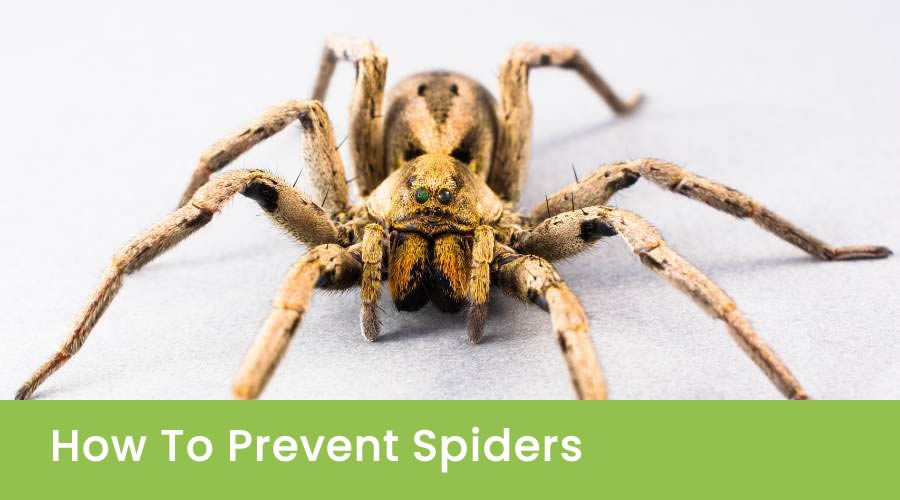
If you want to get rid of spiders, start by removing webs, vacuuming spiders and egg sacs, sealing entry points, reducing insects, and clearing clutter. For ongoing spider problems in Australia, especially if dangerous species may be involved, contact a licensed pest control professional.
Spiders often enter homes looking for shelter, quiet spaces, and food. That means the best way to get rid of them is not just to remove the spiders you can see, but to make your home less appealing to the ones you cannot.
Why do I have spiders in my house?
Spiders usually appear indoors because your home offers three things they need:
Food
Spiders feed on insects. If your home attracts flies, ants, moths, mosquitoes, or other bugs, they are more likely to follow. This is one of the most important reasons spider activity increases.
Shelter
Dark, quiet, undisturbed spaces are ideal hiding spots. Garages, wardrobes, storage areas, ceilings, and under furniture are all common places for spiders to settle.
In some homes, stacked boxes can create the perfect place for them to hide without being noticed.
Easy access
Small gaps around doors, windows, vents, pipes, and flyscreens make it easy for spiders to get inside.
Damaged screens or an open gap can make entering the home much easier.
In other words, these pests are often a sign that your home is giving them what they need to stay.
The best way to keep spiders out of your house
The most effective approach is to combine removal with prevention. Here are the steps that work best.
1. Vacuum spiders, webs, and egg sacs
One of the quickest ways to get rid of spiders is to vacuum them up along with any webs and egg sacs you find. Focus on:
- ceiling corners
- behind furniture
- under beds
- wardrobes
- garages and sheds
- around windows and skirting boards
This removes both the spiders and the places they live. Empty the vacuum afterwards, ideally outside. Use a sealed container if you want to store the contents briefly before disposal.
2. Remove webs regularly
Webs attract attention because they make a home look untidy, but they are also a sign of active spider activity. Brushing down webs from corners, eaves, fences, windows, and outdoor areas can help discourage spiders from staying.
If new webs keep appearing in the same place, that is a sign you may need to look for insects, clutter, or entry points nearby. It is essential to check every usual spot and not skip hidden corners.
3. Reduce the insects spiders feed on
If you want fewer spiders, you need fewer insects. Try to:
- keep food sealed
- wipe down kitchen benches
- empty rubbish bins often
- avoid leaving pet food out overnight
- keep drains and damp areas clean
- reduce outdoor lighting that attracts bugs near doors and windows
A home with fewer insects gives spiders less reason to hang around. Even a porch light can leave insects attracted to the area.
4. Seal gaps and entry points
Spiders can enter through tiny openings. Check around:
- doors
- window frames
- flyscreens
- vents
- plumbing penetrations
- cracks in walls or skirting
Use sealant, weather strips, or door seals where needed. Repair damaged flyscreens and make sure windows close properly. This step is especially useful for keeping the home more secure.
5. Clear clutter indoors and outdoors
Spiders love still, sheltered areas. Piles of boxes, shoes, clothing, newspapers, firewood, and garden materials can all give them places to hide.
To make your home less attractive to spiders:
- keep storage areas tidy
- avoid leaving items stacked on the floor
- trim plants back from the house
- remove leaf litter and timber piles near entrances
- keep garages, sheds, and patios clean
The fewer hiding spots available, the less likely spiders are to settle. Cut back overgrown bushes, move wood piles, and clear garden debris from the cover they like.
How to prevent spiders naturally
If you prefer natural methods, there are a few options that may help discourage spiders, particularly in low-activity areas.
Peppermint oil spray
A common natural remedy is peppermint oil mixed with water in a spray bottle. Spray lightly around:
- door frames
- window sills
- skirting boards
- corners and cracks
Some people also use eucalyptus or tea tree oil. While these may help deter spiders in some homes, they are usually not enough on their own for a larger spider problem. Some oils may help repel spiders, but results can range from home to home.
Vinegar spray
Vinegar is another popular home remedy for corners and hard surfaces, though it should be used carefully on delicate finishes.
Always read the label before using any product on painted or polished surfaces.
Regular cleaning
Natural control works best when paired with regular vacuuming, dusting, and decluttering. On its own, a spray is unlikely to solve the real cause of the problem. A quick dust off can help, but deeper cleaning will usually take more effort.
Should you use spider spray?
Surface spray can help in problem areas such as garages, sheds, roof spaces, and around entry points. However, it works best as part of a broader plan.
Spray alone will not fix:
- insect problems
- clutter
- hidden webs
- easy access points
If you use a pesticide, always follow the label directions carefully and keep children and pets away as instructed. Choose options that are safe for pets and humans where possible.
How to stop spiders coming back
To keep spiders away long term, focus on prevention:
- vacuum regularly, especially in corners and behind furniture
- remove webs as soon as you see them
- seal cracks and gaps
- reduce insects inside and outside the home
- keep storage areas neat
- trim plants and tidy outdoor spaces near the house
Consistency matters. Even simple habits can make a noticeable difference over time. It may take months rather than days to see a pest-free result.
Are spiders dangerous in Australia?
Most spiders found around the home are harmless, but Australia does have some species that can pose a risk, including redbacks and funnel-web spiders.
If you think you have found a dangerous spider:
- do not handle it
- keep children and pets away
- contact a licensed pest control professional
If someone is bitten and develops severe pain, swelling, sweating, nausea, breathing trouble, or any unusual symptoms, seek urgent medical attention, or contact 000. Some spider bites are mild, but a serious bite can affect the whole body and get worse fast.
When to call a pest control professional
You should consider professional help if:
- you keep seeing spiders throughout the house
- webs and egg sacs return quickly
- spiders are appearing in bedrooms or living areas often
- you suspect dangerous species are present
- home treatments are not working
A licensed pest controller can identify the species, treat the problem safely, and help stop it from returning. They can also add advice based on the spider’s size, behaviour, and the likely event that caused activity to increase.
Final thoughts
The best way to get rid of spiders is to remove the spiders you can see and fix the conditions attracting them in the first place. Vacuuming, web removal, sealing gaps, reducing insects, and clearing clutter are the most effective steps for most homes.
If the problem keeps coming back, or if you are concerned about dangerous spiders, professional pest control is the safest option. For a clearer view, you can turn on an outside light once and watch where spiders might crawl after dark; in some cases, a small white sheet can help you spot movement, but only do this from a safe distance.



Leave A Comment
You must be logged in to post a comment.