
How to Prevent Tick Bites in Australia

If you spend time bushwalking, gardening or camping, tick prevention matters. In Australia, ticks are found year-round and are especially common along the east coast.
Many travellers first think of Lyme disease, but local concerns also include allergic reactions, infections such as Queensland tick typhus, and species such as the paralysis tick. They can cause more than an itchy bite. In some cases, they can trigger serious reactions and infections, sometimes with symptoms such as fever.
1. Know where ticks are most likely to be
Ticks thrive in long grass, bushland, scrub, leaf litter and damp overgrown areas. You are more likely to pick one up when you brush against vegetation. The risk is often higher after rain.
Ticks are not only found on remote tracks. People can also come across them in gardens and yards near bushland. Because ticks feed on wildlife, domestic animals and small rodents, areas with frequent movement from these hosts can increase contact with ticks.
Stay on clear paths when you can. Keep children away from overgrown sections of bush or garden.
2. Wear clothing that protects your skin
What you wear outdoors makes a difference. Light-coloured clothing helps you spot ticks more easily. Long sleeves, long trousers, socks, boots and enclosed shoes also reduce exposed skin.
It also helps to tuck your shirt into your trousers. Tuck your trouser legs into your socks as well. These small steps make it harder for ticks to reach your skin.
3. Use repellent before heading out
Apply insect repellent before entering a tick-prone area. In Australia, products with DEET, picaridin or oil of lemon eucalyptus are commonly recommended. Always follow the directions on the label.
If you spend a lot of time in tick habitat, consider permethrin-treated clothing. This can add another layer of protection. It is especially useful for gardeners, bushwalkers and outdoor workers.
Some people also treat camping gear with a suitable insecticide, but only when the product label says it is safe to do so.
4. Check yourself as soon as you get home
One of the most important habits is a tick check. Do it as soon as you come indoors. Ticks can stay on clothing or crawl around before attaching.
After outdoor activity, washing and taking a moment to check your body for ticks can help you find them early. Check your scalp, neck, behind the ears and under the arms.
Also check around the waist, behind the knees and other skin folds. Children need careful checks too, especially around the head and hairline.
It also helps to put outdoor clothes in a hot dryer for about 20 minutes. This can kill ticks that are still on the fabric.
5. Don’t forget pets and your yard
Pets can carry ticks indoors. They can also be seriously affected by them. Speak with your vet about regular tick prevention for dogs and cats.
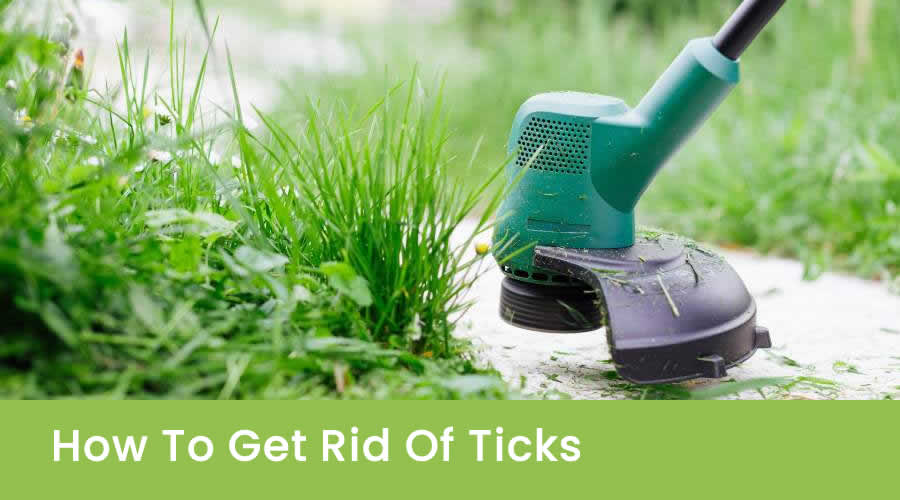
Your yard matters too. Mow lawns often and remove leaf litter where possible. Trim overhanging plants and keep dense growth under control. These steps can make the area less attractive to adult ticks.
6. Don’t squeeze or forcibly pull out an attached tick
This is an important point for Australian readers. During tick removal, do not squeeze, scratch or pull out an attached tick by force. Disturbing it may increase the risk of a reaction because more saliva can be released into the skin.
Australian guidance says the safer option is to freeze the tick with an ether-containing spray. Then let it drop off. If that is not possible, seek medical advice.
7. Be extra careful if you have a tick allergy
For some Australians, a tick bite can cause a serious allergic reaction. Symptoms can range from swelling to anaphylaxis. Anaphylaxis is a medical emergency.
If you have reacted to a tick bite before, speak with your doctor before visiting tick-prone areas. You may need an adrenaline injector, clear first aid advice and an action plan to protect your health.
If there is trouble breathing, throat swelling or collapse, call triple zero (000) immediately.
Tick prevention checklist
Before you head outdoors, remember to:
- avoid long grass and dense bush where possible
- wear light-coloured long clothing
- tuck in your shirt and socks
- apply repellent before going out
- check yourself, children and pets when you return
- put outdoor clothes in a hot dryer
- avoid forcibly removing an attached tick
Final word
The best tick prevention plan in Australia is not complicated, but it does need to be consistent. Cover up, use repellent, avoid brushing through long grass and bush, check pets and yourself properly afterwards, and know the local advice on safe tick handling. That combination gives you a much better chance of enjoying the outdoors without bringing home an unwanted passenger.
For professional tick control services, contact us on 08 7744 5555 today.
References
- Australian Centre for Disease Control, Preventing tick bites.
- Australian Centre for Disease Control, Prevention of tick bites in Australia.
- Healthdirect Australia, Tick bites – symptoms, treatments and prevention.
- Australasian Society of Clinical Immunology and Allergy, Tick Allergy.



Leave A Comment
You must be logged in to post a comment.