
Tips To Control Cockroaches: Get Rid of Roaches for Good
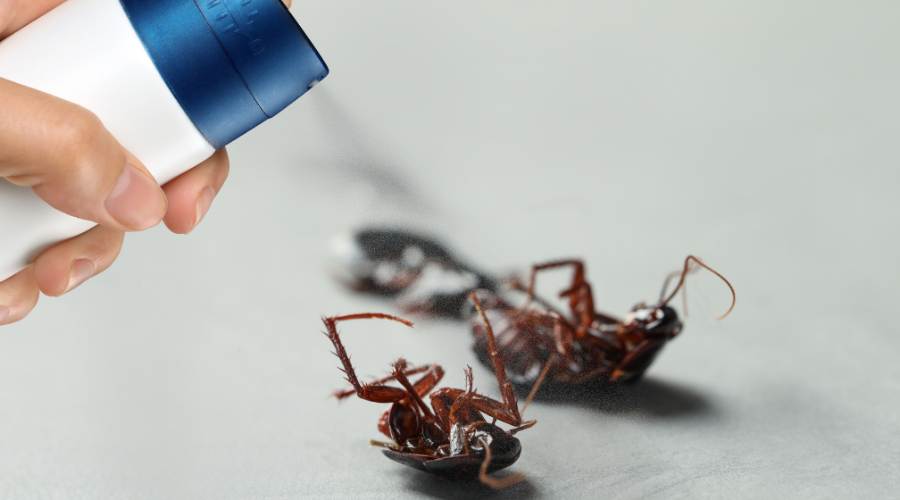
Cockroaches are one of the most dreaded pests that can invade your home. These fast-moving insects are not only creepy to look at, but they can also spread bacteria and cause allergies. Getting rid of cockroaches requires diligence and perseverance, but it can be done! In this article, we will discuss various tips and products to help you control cockroaches effectively.
How to Control Cockroaches?
When dealing with a cockroach infestation, using a combination of control methods often yields the best results. Here are some of the most effective cockroach control techniques for species of cockroaches like the German cockroach:
1. Cockroach Baits
Baits contain poison mixed with pet food that cockroaches like to eat. They take the bait back to their hiding places and the poison kills other nuisance as well. Advion and Maxforce are two popular bait brands that use Indoxacarb as the active ingredient. Place baits along walls, under appliances, and in other areas they may hide.
2. Cockroach Gel
Gels contain poisons like fipronil that they ingest as they forage for meal. Apply gels in cracks, crevices, under appliances and other spots where they may hide. The gel sticks well and keeps killing them over time. Popular brands include Advion and Combat. Reapply gels periodically for ongoing control.
3. Cockroach Foggers/Bombs
Foggers or bombs rapidly fill a room with insecticide, killing the American cockroaches. However, they don’t provide residual control. Use foggers or bombs only for quick knockdown of large infestations. Make sure to follow all safety precautions when using foggers.
4. Cockroach Sprays
Sprays containing fast-acting ingredients like pyrethroids provide quick knockdown. Apply sprays to hiding spots and entry points to kill them and provide some residual activity. Reapply sprays frequently for optimum control.
5. Cockroach Traps
Traps use sticky substances or pheromones to lure and trap roaches attracted to things like garbage or dirty dishes. They can help monitor and reduce their populations. Use several traps in infested areas and replace frequently. Traps alone won’t eliminate them so use them along with other ways. Popular brands include Black Flag and Victor.
Cockroach Control
Here are some general tips for effective control:
- Inspect your home thoroughly to find areas where they hide and enter your home. Target control efforts at these areas.
- Reduce clutter such as paper bags, stacks of newspaper etc. to eliminate its hiding spots.
- Vacuum and clean surfaces frequently to remove droppings and debris. Empty vacuum bags outside.
- Fix leaks and dry out damp areas where they like to breed.
- Seal cracks, crevices and openings around pipes to prevent them from entering.
- Store food items like grains, cereals, nuts etc. in airtight containers to deny them access to food sources. They can chew through plastic bags.
- Use outdoor perimeter treatments to create a chemical barrier against them entering your home.
- If you have a severe infestation, consider professional pest control treatment. Fumigation may be needed for heavy infestations.
- Be patient and persistent. It can take weeks or months to fully clear a problem.
DIY Remedies To Get Rid of Cockroaches
If you want to control them without using chemical pesticides, here are some effective natural remedies:
Diatomaceous Earth
DE is made from crushed fossils of aquatic organisms. The sharp edges cut and damage the waxy coating on them, causing dehydration and death within 48 hours of contact. Apply a fine layer of food-grade DE in problem areas.
Citrus or Peppermint Sprays
Citrus oil, peppermint oil and eucalyptus oil have insecticidal properties. Mix 15-20 drops of these oils with water in a spray bottle. Spray onto baseboards, countertops, cabinets etc. for natural control. The strong scent repels them.
Boric Acid
It acts as a stomach poison for them. Place boric acid powder along baseboards, under appliances and in wall voids. The fine particles stick to them and get ingested during grooming. It takes a week or more to kill them so be patient.
Baking Soda
Baking soda dehydrates the waxy coating on roaches, leading to their death. Spread a thin part of baking soda along applied areas. The abrasive texture also damages their exoskeletons. It is safe for pets and kids when applied correctly.
FAQs
How do you know if you have cockroaches?
Signs include seeing live or dead roaches, roach droppings that look like coffee grounds, brown spots from their poop and urine, egg cases, and a musty smell in infested areas.
What kills roaches instantly?
Sprays, foggers and professional treatments containing fast-acting pyrethroids can kill them quickly. However, they don’t have long-lasting residual effects without repeat applications.
Do roaches come out in the daytime?
Yes. They are mainly nocturnal and come out at night to search for nosh. However, you may see increased daytime activity if the infestation is severe and they are foraging for limited grub and water sources.
Does bleach kill roaches?
Nope. Bleach is not effective against thhem. It has no residual activity and does not kill them. Use pesticides specifically labeled for control instead of bleach.
How do you get rid of roaches in kitchen cabinets?
Use diatomaceous earth inside cabinets. Apply gel bait or spray pesticides to the outer cabinet frames. Keep cabinets clean and dry to deter them from inhabiting them.
Conclusion
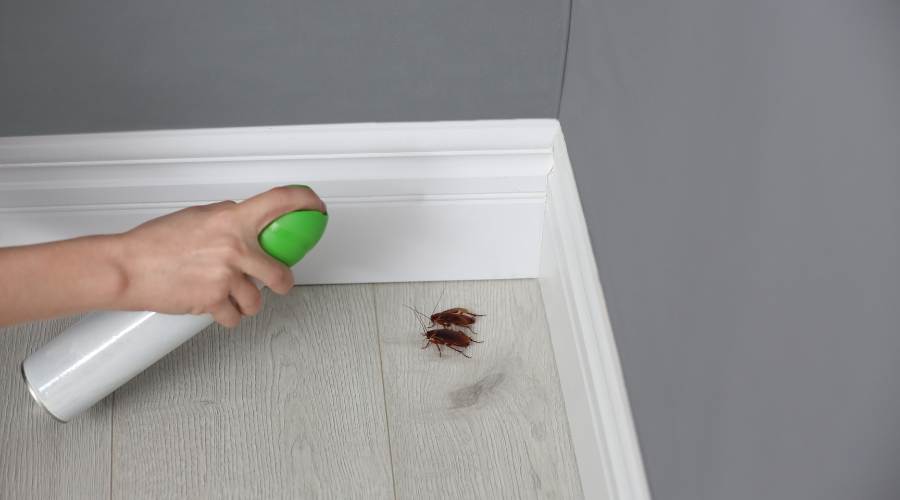
Controlling stubborn infestations requires diligence, consistency and using a combination of proven chemical and natural ways. Focus on inspecting and monitoring to find their hiding places, applying baits, gels and sprays to those areas, cutting off their tucker and entry sources, and maintaining cleanliness and dryness.
With persistence and the right techniques, you can kick them out of your home for good. Don’t let these nasty pests overrun your kitchen and living spaces! Take proper action now to get rid of unwanted guests effectively.