
How to Control Rodents: Prevention, Trapping Tips, and Health Risks
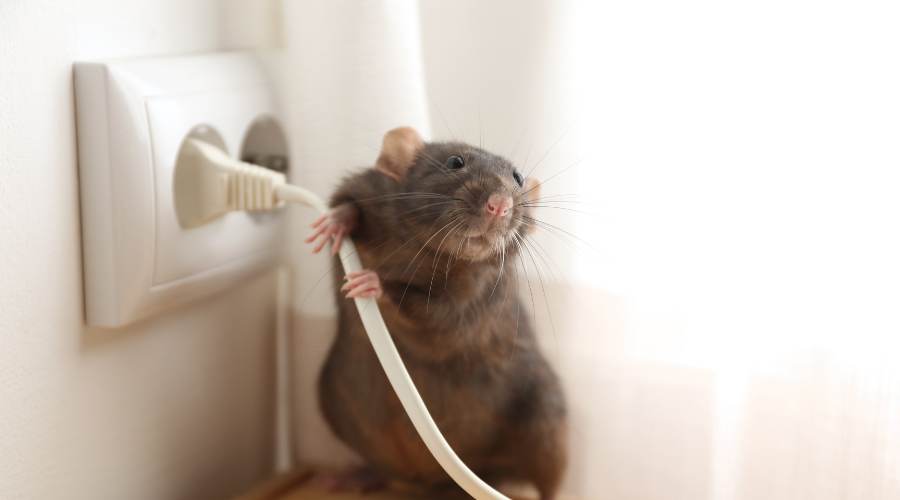 Rodents like rats and mice can be a major nuisance in homes and businesses. Not only can they ruin property, but they can also spread harmful diseases. Controlling an existing rodent problem, or better yet preventing one from developing, is important for health and safety reasons. With some diligence and preventative measures, you can get them under control and keep them out for good.
Effective Prevention Tips
The best way to deal with rodents is to prevent them from becoming a problem in the first place. Here are some tips to help rodent-proof your home or business:
1. Seal any openings
Use caulk, weather stripping, steel wool, or other materials to seal up any cracks, holes, or gaps that are larger than 1/4 inch in diameter. Pay special attention to areas where utilities enter the structure.
2. Repair compensation
Fix drooping doors, torn window screens, gaps around pipes, and other access points. They can squeeze through very small spaces.
3. Trim vegetation
Keep bushes, shrubs, and tree branches cut back from the structure. They can use these as “bridges” to find openings.
4. Remove clutter
Get rid of stacks of materials, debris, and items stored on the ground outside. They seek shelter in clutter.
5. Manage garbage
Use secure lids on trash cans and never let garbage overflow. Follow proper composting protocols too.
6. Modify landscaping
Use gravel or paving rather than mulch right next to the structure. They burrow readily through mulch.
7. Keep areas clean
Practice good sanitation by sweeping up any crumbs and spills. Don’t leave pet food out overnight.
The Problems Caused by Rodents
Rodents like rats and mice may seem harmless enough, but they can cause significant problems if left unchecked. Here are some of the issues that can arise with rodent infestations:
Property Damage
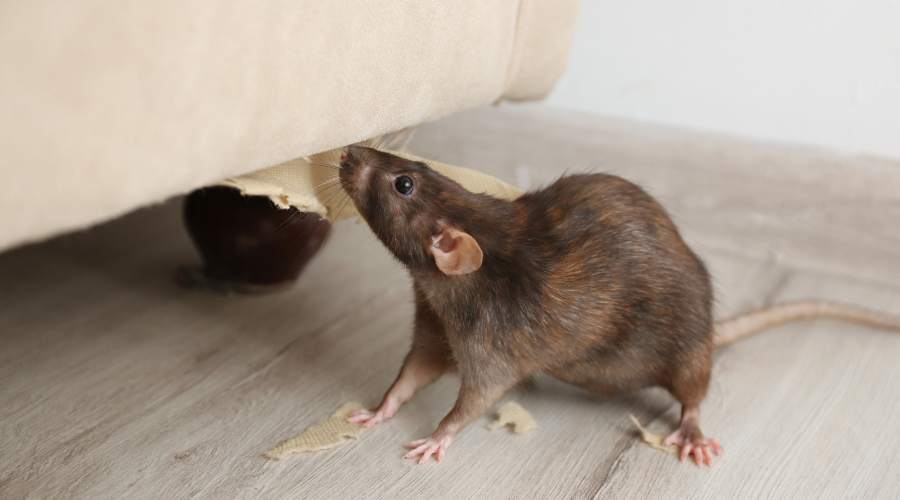
They have strong teeth and they will gnaw on and destroy many materials in your home or business. This can include woodwork, drywall, electrical wiring, insulation, and more. They can even chew through plastic pipes.
Spread of Disease
These pests can carry and transmit many harmful diseases to humans and pets. These include:
- Hantavirus
- Salmonella
- Leptospirosis
- Rat-bite fever
- Plague
- Lymphocytic choriomeningitis
Contamination
They urinate and defecate wherever they go. This contamination can spread germs and pose health risks, especially when rodent droppings and urine get into meal prep areas, pantries, etc.
Loss of Business
Evidence of rodents and rodent harm can be extremely off-putting to customers. Infestations that become public knowledge can harm a business’s reputation and drive away customers.
Trapping Techniques
If you already have rodents inside your home or building, trapping is an effective method of control. Traps allow you to eliminate rodents without having to use poison. Here are types of trap and some tips on trapping:
- Snap traps – These kill traps deliver a swift and lethal blow using a spring-loaded bar. Position them along baseboards and known travel routes.
- Live traps – These traps catch them alive without killing them. You then have to release or kill the trapped rodent.
- Glue boards – These sticky glue traps hold mice in place when stepped on. They are ultimately killed by starvation/dehydration.
- Electronic traps – Zapper traps electrocute them by completing a circuit when entered. Death is usually instant.
- Box/cage traps – These contain the live rodent within a box or cage for later removal.
- Bait traps carefully – Use small bits of peanut butter, chocolate, dried fruit, nutmeats, or bacon to lure them into traps.
- Set multiple traps – Increase your odds of trapping them by setting traps in multiple locations at once.
- Check traps daily – Check traps daily and remove dead rodents immediately. Reset traps that have been triggered but are empty.
Promoting Natural Predators
Encouraging predators to frequent your property can help keep rodent populations down and serve as part of an integrated pest management program. Consider these tips:
- Provide perches – Give predatory birds like hawks, owls, and falcons a place to perch and hunt by installing tall poles or boxes.
- Install raptor houses – Place owl occupying boxes or falcon houses around your property for effective rodent control.
- Provide water – Birdbaths, fountains, or small ponds will attract birds and give them water to drink.
- Go chemical-free – Avoid pesticides that could reduce insect populations that predatory birds rely on.
- Let vegetation grow – Natural areas with longer grasses and vegetation shelter small mammal predators.
- Build brush piles – These attract coyotes, foxes, weasels, snakes and other rodent predators.
- Get a cat – Cats can be skilled mousers and may help deter rodents around your home.
- Protect predators – Discourage the killing of hawks, owls, snakes and other rodent predators in your area.
Dangers of Diseases Spread by Rodents
They can transmit a variety of harmful diseases to humans and pets either directly, through bites/scratches, fleas, or indirectly via flea feces, urine/feces contamination:
Hantavirus
- Carried in droppings/urine.
- Transmitted by breathing in contaminated dust.
- Flu-like symptoms progressing to potentially deadly respiratory disease.
Leptospirosis
- Bacteria transmitted through contact with urine and contaminated water/soil.
- Causes fever, chills, vomiting, and kidney/liver issues.
Plague
- Caused by infected rodent flea bites or direct contact.
- Bubonic form causes swollen lymph nodes; pneumonic form infects lungs.
Rat-bite Fever
- Spread by rodent saliva entering bite wounds or eyes/mouth.
- Causes fever, vomiting, joint pain, and rash.
Salmonellosis
- Spread through contaminated food scrap and surfaces.
- Symptoms include diarrhea, fever, and abdominal cramps.
Lymphocytic Choriomeningitis (LCMV)
- Passed through rodent droppings, saliva, urine, nesting material.
- Flu-like illness; more severe in those with weakened immune systems.
FAQ
What is the best method to control rodents?
The best approach is prevention – sealing up cracks, managing trash and clutter, etc. Trapping is the safest active method of control. Avoid poisons which can harm pets and children.
How do you make rodents go away?
Seal up any entry points. Set traps along baseboards and known travel areas. Keep potential sources of food like pet food properly sealed. Maintaining cleanliness helps deter pesky rodents.
How do you control common pests and rodents?
Sanitation, sealing cracks on walls, proper trash containment, and trapping are key. Also promote predators like raptors and cats. An integrated approach works best for long-term control.
How do you get rid of rodents fast?
For a quick fix, set traps, electronic traps, or glue boards in areas with heavy activity. Combine trapping with sealing up access holes and removing potential food sources.

Pro Tip
For severe rodent infestations, contacting a licensed pest control professional may be your best option. They have access to specialised tools like commercial bait stations and rodenticides not available to the general public.
A pest control expert can also locate hard-to-find access points and take steps to prevent future infestations. Just make sure any rodenticides used are contained properly in tamper-proof containers to avoid harming children, pets, or wildlife animals.
With a proactive approach, professionals can help eliminate current rodents and keep them from returning.
Conclusion
Rodents can be very problematic if they invade and establish themselves in your home or workplace. However, with some diligence regarding maintenance and prevention, plus deploying trapping techniques, you can control rodent populations. Promoting natural predators is another smart element of an integrated rodent management plan. When signs of rodent problems do arise, act quickly to limit health risks and harm to property. With persistence and ongoing prevention efforts, you can keep these pesky critters from becoming a big nuisance.