
Guide to Seasonal Pest Control: How to Prevent Invasions All Year Long
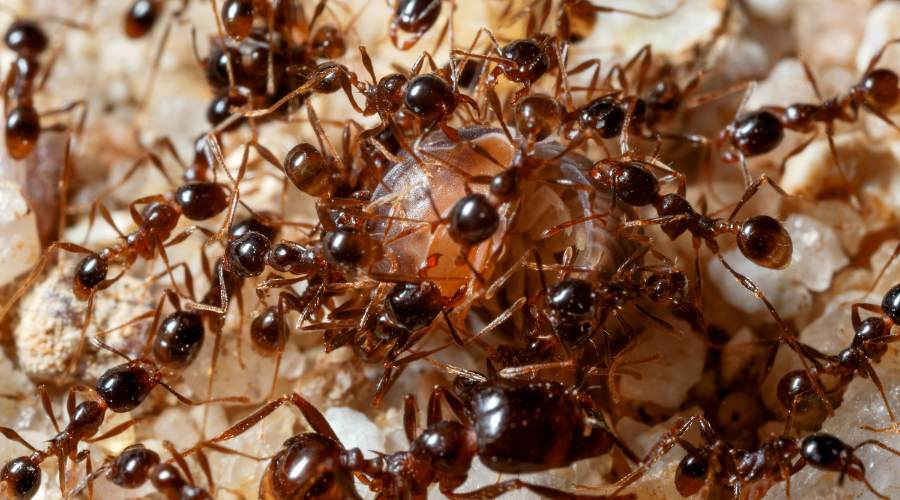
Is your home constantly under siege from invading pests? Do you find yourself battling ants in the spring, flies in the summer, mice in the fall, and cockroaches in the winter? You’re not alone. Seasonal pests can wreak havoc if left unchecked. But with some diligent prevention methods, you can defend your home from these seasonal invaders all year long.
Spring – Ants on the March
Ants are one of the most common springtime pests. As temperatures warm up, ants become active. A few foraging ants can quickly turn into a trail of hundreds. Here’s how to beat back the ant battalions:
- Seal cracks and crevices where ants may enter.
- Clear away debris and trim vegetation touching your home’s exterior.
- Apply granular baits or sprays outside near ant nests.
- Set out ant traps inside near entry points.
- Keep counters and floors clean and wipe up spills right away.
- Store food in sealed containers to deny ants access.
Summer – Annoying Flying Insects
Summertime brings flies, wasps, bees, and other filthy flying fiends. Stop these pests from bugging you with these tactics:
- Install screens on windows and entryway.
- Use a flyswatter or zapper to eliminate flies.
- Apply residual sprays to outdoor surfaces where flies rest.
- Cut back ivy, vines, and bushes where wasps may nest.
- Seal gaps in exterior walls that bees could enter.
- Empty trash frequently to deny flies breeding sites.
Fall – Scurrying Mice Move In
Crisp fall sends mice scurrying indoors seeking shelter. Don’t let these fuzzy freeloaders make themselves at home with these deterrents:
- Inspect your home’s exterior for gaps and seal any openings wider than 1/4 inch.
- Install sweeps on exterior doors to block mouse entry.
- Set snap traps baited with peanut butter in areas with signs of mice.
- Keep meals sealed in chew-proof containers to limit access.
- Remove clutter like boxes and bags that provide nesting sites.
- Bring in firewood immediately to prevent nesting underneath.

Winter – Cockroaches Seeking Shelter
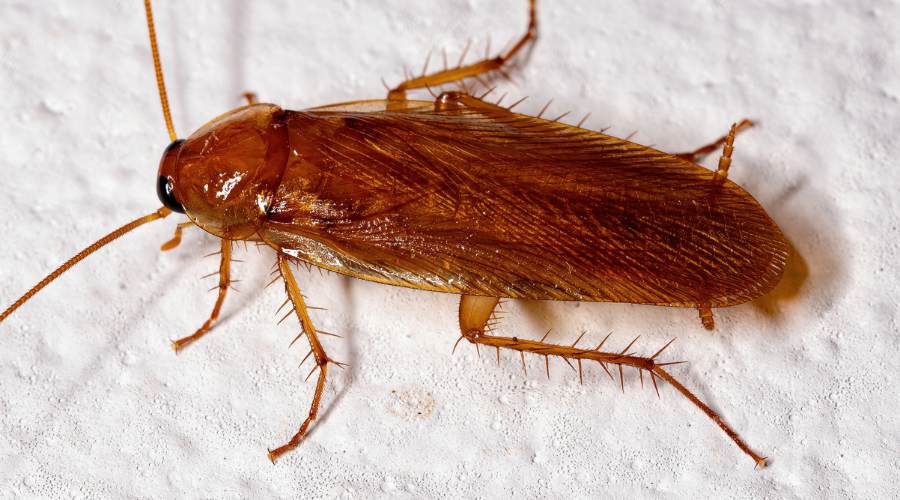
Cockroaches head indoors when cold weather hits. Stop them from settling in with these tips:
- Caulk and seal cracks they can squeeze through.
- Place boric acid in wall voids, under appliances, and other hiding spots.
- Use sticky traps to monitor for activity and catch roaches.
- Spray insecticide into crevices and concealed areas.
- Fix leaky faucets and pipes to deny water sources.
- Clean up food crumbs and spills that attract roaches.
Don’t Let the Seasons Catch You Off Guard
Now you’re ready to defend against the seasonal pest onslaught. With this comprehensive guide, diligent prevention, and early intervention, you can stop occasional invaders from turning into infestations. Stay vigilant year-round, and you can outsmart seasonal pests before they become a nuisance.
Inspect your place thoroughly for any indication of infestation, looking along the ground, under bushes, and around the perimeter.
For severe issues beyond DIY control, call a pest professional who can treat both indoor and outdoor spaces.
Frequently Asked Questions
What causes seasonal pest problems?
Seasonal pest issues occur when changing climate drives pests like mosquito, rodents, and roaches indoors. Their populations also boom in spring and summer.
When should I start pest prevention measures?
Begin pest prevention in early spring when pests first become active. Maintain vigilance through fall and winter when they seek shelter.
What are the most common seasonal pests?
Ants, flies, wasps, bees, mice, and cockroaches are the most frequent seasonal pests. Their prevalence peaks at different times from spring through winter.
How can I make my home less appealing to pests?
Seal cracks, install weatherstripping, remove clutter, fix leaks, and keep counters clean. These steps deny pests entry.
What kind of pest control methods work best?
For seasonal types of pest, target exterior nests and entry points. Traps, baits, sprays, and powders are useful for control outside and inside the home.
Conclusion
With some diligence and perseverance, you can stay one step ahead of seasonal invaders. Helpful hardware store products, a little research, and simple prevention habits will empower you to defend your home and the environment all year long.
The nuisance and the potential health risks aren’t inevitable, with the right expertise, you can protect your home from their seasonal assaults. You don’t need to live in fear of the overwhelming forces of ant armies, mega-swarms of flies, rodent platoons, and cockroach brigades. Take charge of pest control before they take over your house!
Pro Tip: For severe signs of infestations that are beyond the reach of DIY methods, don’t hesitate to call a professional pest control company. Licensed exterminators have industrial-strength products and advanced treatment techniques to eliminate entrenched problems. Let the pros handle the truly massive invasions, with their expertise and your diligence, you can show seasonal pests who’s the boss!