
How to Prevent Possums In Your Roof
Your Guide to Kicking Out Squatting Possums
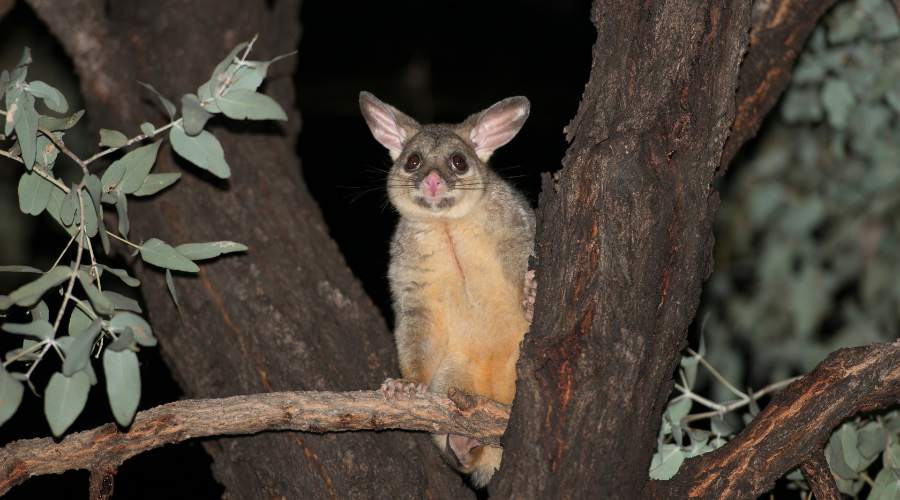
If you’re hearing scrabbling noises coming from your roof at night, chances are you have some uninvited possum guests! While our furry Australian marsupial friends are mostly harmless, having them take up residence in your roof can cause problems like noise disturbances, potential mess and damage. So in this article, we’ll explore some effective tips and solutions on how to humanely prevent and remove possums from your roof.
Why Do Possums End Up In Roofs?
They are naturally drawn to roofs as safe, warm and dry places to build nests and raise their young. They can gain access through damaged tiles, gaps in the eaves or broken vents. Once inside, they’ll happily set up home in the ceiling cavity, insulation and roof lining.
As primarily nocturnal animals, you’re most likely to hear them bumping around at night. But rest assured, they don’t mean to be a nuisance. They’re just going about their natural behaviours, doing possum things!
While relocating them humanely is the ideal remedy, simply evicting them can often lead to new ones moving in afterwards. So the key is excluding them from your roof and removing what’s attracting them in the first place.
How To Deter Possums From Your Roof
Here are some of the most effective possum deterrents and techniques recommended by wildlife experts:
1. Block Access Points
The first line of defence is finding and sealing up any gaps or holes where they are getting into your roof. Focus on areas like:
- Broken, cracked or missing roof tiling
- Gaps around the eaves, fascias and guttering
- Rust holes in iron or roofs
- Unsealed vents
- Loose sheets in iron roofing
Use wire mesh, roofing, metal sheeting or concrete to block openings. Expanding foam is also great for sealing smaller gaps.
2. Install One-Way Doors
One-way possum doors allow the critter to leave but not re-enter. They can be fitted over entrance and left in place for a few days to allow all possums to vacate, before securely blocking the opening.
3. Use Motion-Sensor Lights
Bright, flashing lights can help deter them from approaching your home. Motion-activated floodlights or ultrasonic lights work best. Focus them over potential entry points like the roofline or fences.
4. Remove Food Attractants
Eliminate any potential food sources, such as fruit trees, compost bins, chicken feed or pet food left out at night. They will keep returning while there’s a free meal on offer!
Place quassia chips in your garden to deter them from eating fruit and vegetables. The bitter taste of it drives them away.
5. Apply Natural Repellents
There are various natural sprays made from plant oils that can deter them from an area. Apply them around your roofline, on fence posts or around vegetation. Reapply regularly for best results.
6. Install Ultrasonic or Solar-Powered Deterrents
Solar-powered ultrasonic devices emit high frequency sounds that bother them without affecting humans. Place them by common access points.
What If These Deterrents Don’t Work?
If humane exclusion methods fail to get them out and stop new ones entering, then as a last resort, you may need to look at trapping and removing them.
Here are some options to consider:
Seek Advice From A Wildlife Carer
Contact a trained and licensed carer or volunteer group. They will have the right skills, traps and networks to humanely catch and relocate them.
Organise Possum Removal Services
There are professional pest controllers that specialise in humane catching and releasing. Get quotes from a few licensed operators. Ensure they use humane cage traps only.
Temporary Humane Cage Trapping
You can hire humane possum traps from some hardware stores. But be sure you know how to use them properly. Humanely release them within 12 hours. Seek guidance from possum experts if unsure.
Identify and Block Re-Entry Points
To stop new possums moving in, thoroughly check the roof for gaps after removing the original fauna. Then seal up all possible access holes.
Use quassia repellents around bird nesting boxes to prevent them from raiding chicks and eggs.
What types of possums are common around Queensland roofs?
The two Aussie possum species most likely to take up residence are:
- Common brushtail possums – Our iconic possum seen in tree hollows. Grey fur with black eyes and bushy tails.
- Common ringtail possums – Smaller and more delicate. Grey, black and white fur with white eye rings. Prefer roof cavities.
How can I deter a possum from returning after removing it from my roof?
- Seal up all possible roof access holes thoroughly.
- Consider installing bright external lights, ultrasonic deterrents.
- Remove any potential shelter or other food sources possums are using.
- Use natural repellent sprays around the roof perimeter.
- Check the roof again in a few weeks for any new holes or signs of re-entry.
Can I trap a possum myself?
It is legal to humanely trap possums under Queensland law but strict welfare standards apply:
- Only use humane cage traps designed not to harm possums. No leg hold, glue or other painful traps are allowed.
- Shelter cages from sun/rain. Check traps at least daily.
- Release them close by within 12 hours to avoid stressing the creature.
- Seek guidance from experts if you lack trapping experience. Hire professionals if unsure.
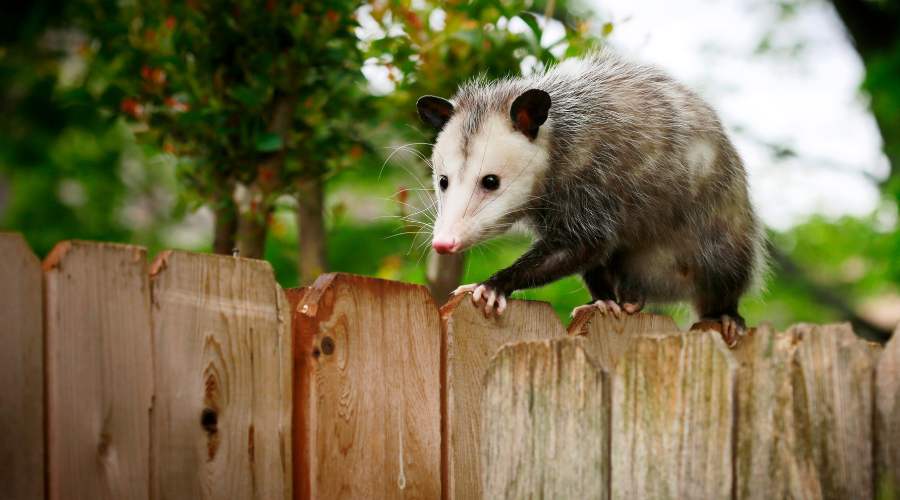
In Summary
Dealing with a pesky possum problem in your roof can be frustrating. But rest assured there are some simple, humane methods to try first. Focus on blocking off access, removing food attractants, buying or building possum boxes, and using natural deterrents. With some persistence, you can humanely evict your possum lodgers and reclaim your roof space!