
How to Prevent Pests in Your Home
Consistent Prevention is the Best Long-Term Solution
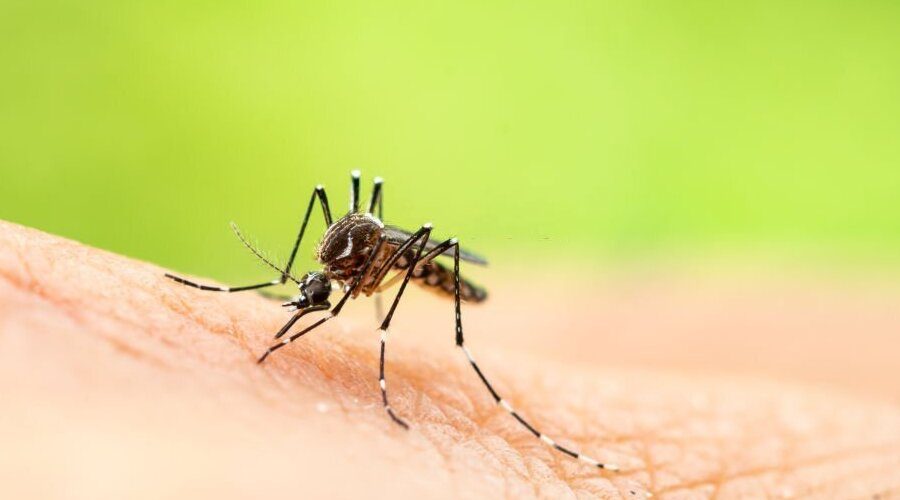
Finding ants crawling across your countertops. Catching a mouse scurrying across the floor. Lifting up your pillow to see bed bugs hiding in the seams. These unwelcome visitors aren’t just gross – they can cause damage to your home and belongings, contaminate your food, and even spread disease.
The good news is there are ways to prevent pests from invading in the first place, or to get rid of them if they’ve already taken up residence. With some diligence and dedication to your pest prevention effort, you can keep unwanted critters out of your home for good and maintain a pest free home.
1. Identify Potential Entry Points and Seal Them Up
The first line of defence is to inspect your home for any cracks, holes, or openings that could provide access for pests. Some key areas to check include:
- Around windows and doors – check for gaps in seals and weatherstripping
- Attic and foundation vents – seal up any openings wider than 1/4 inch
- Cracks in siding, bricks, or stucco
- Gaps where utilities like tubes or wires enter the home
- Openings around the chimney, furnace, and dryer vents
Use caulk, expanding foam, metal flashing, screen, or other materials to seal up any points of entry. Trim back bushes, trees, and clutter away from the exterior walls as well. This eliminates hiding spots and pathways inside.
2. Install Door Sweeps, Screens, and Weatherstripping
Doors and windows should have tight seals to prevent pests from crawling through. Install rubber door sweeps along the bottom of exterior doors, sliding glass door tracks, pet doors, and garage doors. Ensure they have well-fitted screens without any tears or gaps. Replace worn out weatherstripping to seal air leaks.
3. Make the Landscape Less Pest-Friendly
Certain features around your home can attract and harbor pests:
- Wood piles – move away from house and elevate off the ground
- Dense bushes and vegetation – trim back at least 1 foot from home
- Climbing vines – provide access to upper floors for pests
- Bird feeders – seed attracts rodents, hang away from home
- Pet food bowls – bring in at night to avoid ant trails
- Standing water – drain birdbaths, fix leaky faucets, and slope the ground away from your home’s foundation
- Trash and debris – store waste in secure receptacles with tight fitting lids
Making your yard less hospitable to pests reduces the likelihood they’ll try to move in and set up camp.
4. Store Food Properly
Food attracts pests, especially ants and rodents. Make sure all pet and human food is sealed tightly in airtight containers. Cleaning spills right away, and don’t leave food containers out overnight. Keep counters, floors, and the inside of your refrigerator and pantry clean and free of crumbs or residue. And take the trash out frequently since waste can lure in unwelcome visitors.
5. Address Plumbing Leaks
Dripping faucets, leaky pipes, and other water leaks provide both a water source and moisture that attracts many pests. Fix any plumbing issues right away before they become an open invitation. Watch for wet spots or water damage under sinks, near walls, at joints, or where fixtures meet the walls.
6. Vacuum and Clean Thoroughly
Cockroaches, ants, and other pests forage for food crumbs in undisturbed places. Give your whole home a deep clean, moving furniture and appliances to vacuum behind and underneath. Pay close attention to kitchen counters and bathrooms where spills often occur. Vacuum frequently under appliances and along baseboards, vents, and corners where pests like to hide.
7. Look for Signs of Infestation
Inspect your home regularly for any evidence pests have already moved in:
- Droppings – mice, roaches, and other pests often leave behind pellet-shaped waste.
- Rub marks – greasy streaks on walls may indicate roaches traveling to and from nesting areas.
- Damage – chew marks from mice and rats or tiny pinholes in fabrics from carpet beetles.
- Odor – rodents give off a musky, ammonia-like smell.
- Shredded skins or egg cases – fleas and bedbugs leave behind evidence after molting.
- Live or dead pests – the occasional ant or spider is normal, but large numbers indicate an infestation.
Discovering signs early allows you to address the problem before it gets out of hand. Look in secluded spots pests like to nest and travel through.
8. Eliminate Standing Water
Mosquito population and other pests need excess water to survive. Dump out accumulated liquid from potted fruit plant dishes, gutters, tires, tarps, and any other outdoor containers. Change pet dishes regularly and fix leaky outdoor faucets or sprinklers. Fill in puddles and low spots where drops collect after rains. Keep pools and hot tubs treated and circulating to prevent mosquito breeding.
9. Install Pest-Deterring Plants
Certain plants naturally repel insects and rodents, thanks to their strong scents, prickly textures, or toxicity. Interplant these varieties throughout your yard and garden beds to discourage pests:
- Marigolds – offensive smell repels aphids, mosquitoes, and rabbits.
- Mint – disliked by mice, ants, and flies.
- Garlic and chives – help deter aphids, spider mites, rabbits, and deer.
- Lavender – unappealing scent repels fleas, moths, mosquitoes, and deer.
- Citronella grass – its famous lemon scent deters mosquitoes.
- Rue – bugs and Japanese beetles avoid this bitter herb.
- Catnip – drives away rodents like rats and mice.
10. Use Barriers and Repellents
Physical barriers and chemical repellents provide added pest protection against home invaders:
- Diatomaceous earth – sprinkle this abrasive, chalky powder along baseboards, and doorways to shred soft-bodied pests.
- Borax and boric acid – mix with sugar or flour as bait to kill roaches, ants, and rodents.
- Ammonia-soaked cotton balls – place along commonly traveled routes to deter rodents with the pungent odor.
- Peppermint oil – wipe onto entry points to repel spiders, mice, and ants.
- Insect repellent plants – surround your home’s perimeter with pests’ least favorite fragrances.
- Mesh screens – install fine screens over vents, chimneys, and other openings to block entry.
Use barriers selectively to target problem areas inside and out. Repellents help create an unwelcoming environment for many common pests.
11. Work With a Pest Control Professional
For severe infestations or pests you can’t properly identify, contact a licensed pest control specialist. Companies like Orkin, Terminix, and Ehrlich specialize in:
- Inspecting your home to pinpoint problems
- Identifying the species invading your home
- Determining the extent of the infestation
- Applying professional-grade treatments and pesticides
- Providing follow-up to ensure pests are fully eradicated
Technicians can access hard-to-reach nesting areas and use specialised equipment and insecticides homeowners don’t have access to. Getting professional pest control services can eliminate stubborn pest problems once and for all.
12. Practice Preventive Maintenance
Keep pests under control by making pest management a regular part of your routine:
- Take out the trash and clean up food waste every day as an extra precaution.
- Vacuum and mop floors at least once a week.
- Inspect inside and outside your home monthly for pest signs.
- Seal up cracks and crevices when you notice them.
- Trim vegetation back from the house seasonally.
- Call a professional service for treatments every 3 months.
Catching issues before they escalate will help you stay one step ahead of any unwanted visitors trying to share your home.

FAQs About Controlling Home Pests
What is the most effective way to keep pests out of my home?
A diligent pest control routine is key. Identify and seal up entry points, eliminate food source, use barriers and repellents, and address problems immediately.
How can I make my yard less attractive to pests?
Clear out dense vegetation, wood piles, and other clutter near your foundation. Fix leaky faucets and irrigation. Fill in low spots where water pools. Hang bird feeders away from your home or bring them in at night. Keep dishes inside. Install plants that naturally repel pests.
What are signs I may already have pests inside my home?
Look for droppings, greasy rub marks, chew damage, strange odors, shed exoskeletons from bugs, or the unwanted pests themselves, especially in undisturbed areas. Catching an issues early makes it easier to get under control.
How often should I have a pest control company do preventive treatments?
Most companies recommend solutions every 3 months. This allows them to methodically treat inside and outside your home during each season when different pests are active. Doing this can stop many infestations before they take hold.
Conclusion
Sharing your living space with uninvited pests is annoying at best and a health hazard at worst. Stop ants, cockroaches, mosquitos, mice, and other home invaders in their tracks by denying them entry, food, and shelter. Seal up your home, make the landscape less pest friendly, and use deterrents strategically. Address pest infestations quickly and call professionals for ongoing prevention. With vigilance, you can claim victory in the battle against household pests.